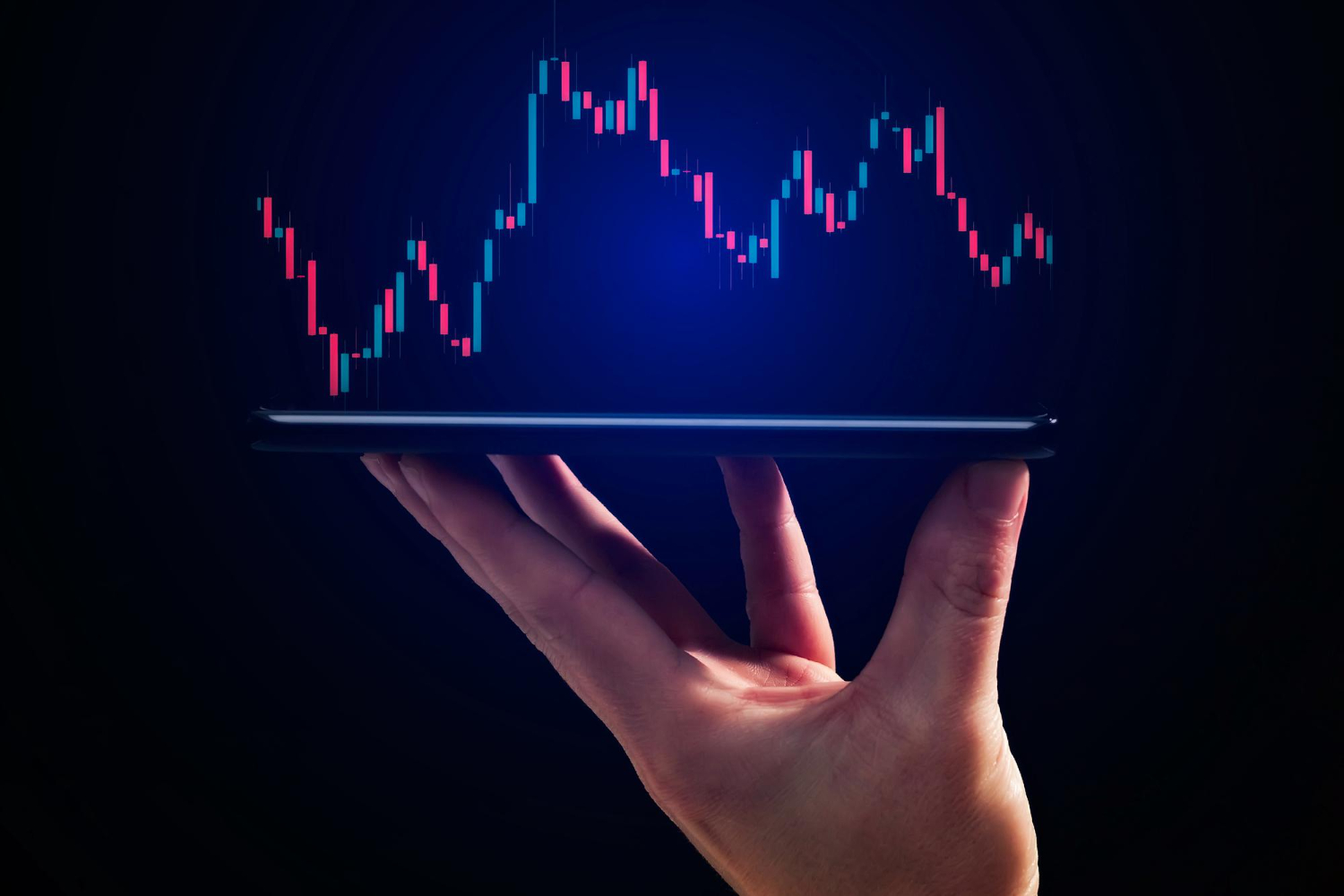

Selecting your first forex trading platform is a crucial decision that can significantly impact your trading journey. As a newcomer to the forex market, the abundance of options can seem overwhelming. This comprehensive guide will walk you through the essential factors to consider, helping you make an informed decision that aligns with your trading goals and experience level.
Understanding Forex Trading Platforms
A forex trading platform is your gateway to the currency markets, serving as the software interface through which you’ll execute trades, analyze markets, and manage your trading account. These platforms come in various forms, from web-based solutions to downloadable desktop applications and mobile apps.
Types of Trading Platforms
Desktop Platforms
Desktop platforms offer the most comprehensive features and tools. They’re typically more powerful than their web-based counterparts, providing advanced charting capabilities, customization options, and faster execution speeds. However, they require installation and regular updates.
Web-Based Platforms
Web-based platforms offer the convenience of trading through your browser without downloading software. They’re accessible from any computer with internet access and typically feature automatic updates. While they might have slightly fewer features than desktop versions, they’re becoming increasingly sophisticated.
Mobile Trading Platforms
Mobile platforms allow you to trade on the go through smartphones and tablets. While they may not offer all the features of desktop platforms, they’re essential for monitoring positions and making quick trades when away from your computer.
Essential Features for Beginners
User Interface
As a beginner, look for a platform with an intuitive, clean interface. The platform should be easy to navigate, with clear menus and straightforward access to essential functions. Complicated interfaces can lead to costly mistakes and frustration.
Educational Resources
Choose a platform that offers comprehensive educational materials. This should include tutorials, webinars, demo accounts, and detailed documentation. Good educational resources can significantly shorten your learning curve and improve your trading decisions.
Technical Analysis Tools
Basic charting tools and technical indicators are essential, even for beginners. Look for platforms that offer various timeframes, popular technical indicators, and the ability to save chart layouts. As you progress, you’ll appreciate having these tools readily available.
Security Considerations
Platform Security
Your chosen Forex trading platform must implement robust security measures, including two-factor authentication, encryption protocols, secure login procedures, and regular security updates. These features protect your account and financial information from unauthorized access.
Broker Reliability
Your platform choice often depends on your broker. Research the broker’s reputation, regulatory compliance, and financial stability. A reliable broker should be regulated by recognized authorities and have a strong track record in the industry.
Cost Factors
Platform Fees
Understanding all associated costs is crucial before committing to a platform. Some platforms charge subscription fees, while others are free but may require payment for additional features or data feeds. Consider account maintenance fees and any other recurring charges that might apply.
Trading Costs
Beyond platform fees, consider the trading-related expenses such as spreads, commissions, and overnight holding fees. The minimum deposit requirement can also influence your choice, especially as a beginner with limited capital.
Support and Assistance
Customer Service
Quality customer support is crucial for beginners. The ideal platform should offer round-the-clock customer support through multiple contact channels, with quick response times and assistance in your preferred language. This support becomes invaluable when you encounter technical issues or need clarification about platform features.
Community Support
A strong user community can provide additional learning opportunities and peer support. Platforms with active forums or social trading features allow you to learn from experienced traders and share insights with fellow beginners.
Practical Considerations
Demo Account Testing
Before committing to a platform, thoroughly test it through a demo account. This allows you to familiarize yourself with the interface, practice trading without risk, test different features, and evaluate platform stability in real-world conditions.
Platform Stability
Choose a platform known for reliable uptime, stable performance, quick execution speeds, and regular updates. A stable platform minimizes the risk of technical issues affecting your trading activities.
Growth Potential
Future-Proofing Your Choice
Select a platform that can grow with you. As your skills develop, you’ll want access to advanced charting tools, custom indicators, automated trading capabilities, and advanced order types. The platform should accommodate your evolving trading needs.
Integration Capabilities
Consider platforms that offer API access for future automation, third-party tool integration, multiple device synchronization, and data export options. These features become more important as you advance in your trading journey.
Making Your Final Decision
Take a methodical approach to your final decision by researching multiple platforms, creating demo accounts with top contenders, testing each platform thoroughly, considering all costs involved, evaluating support quality, and reading user reviews and testimonials.
Conclusion
Choosing your first forex trading platform doesn’t have to be overwhelming. Focus on finding a platform that matches your current skill level while offering room for growth. Prioritize user-friendliness, reliable customer support, and comprehensive educational resources. Remember that the best platform for you is one that you feel comfortable using and that meets your specific trading needs. Take advantage of demo accounts to test different options, and don’t rush the decision-making process. Your chosen platform will be your primary trading tool, so it’s worth investing time to make the right choice.